Every British festival is really two events: the one on the poster, and the one happening in a muddy field three miles from the nearest cash machine. The line-up gets the headlines, but the weekend is usually decided by what you packed on Thursday morning and whether the 18:42 to Castle Donington actually ran.
What follows is the checklist we run through before any festival, from a one-day city event to a five-night camping job. Adapt it to your festival, your budget and how much you enjoy carrying things.
Tickets, wristbands and the paperwork nobody reads
Before anything else, sort the admin. It takes twenty minutes at home and saves an hour of queueing.
- Move your ticket out of an email inbox and into a dedicated folder on your phone, and save the PDF offline.
- Print one paper copy. Batteries die, screens crack, and a printed e-ticket has never failed anyone in a queue.
- Check whether the ticket is named. If it is, bring photo ID that matches, not a photo of your passport.
- Read the prohibited items list properly. Glass, aerosols, gazebos and large soundsystems are banned at most sites, and security will confiscate them without discussion.
- Register your wristband if the festival asks you to. It speeds up re-entry and helps you replace a lost band.
Ticket insurance is worth a look if you are travelling a long way or have a health issue that could flare up, but read the terms first. Most festival tickets are non-refundable, and "change of mind" is rarely covered. If money is tight, buy from the official seller only, and be sceptical of any resale price that looks kind.
Getting there: trains, strikes and the backup plan
Travel is where festivals quietly unravel. Build in slack, and have a Plan B you could actually use.
On trains, buy Advance singles as early as possible and check whether your route needs a seat reservation. If you are travelling in a group, compare a group save against split ticketing. Save your operator's app, check the journey the evening before as well as the morning of, and keep receipts: if a train is delayed or cancelled, Delay Repay is usually straightforward to claim.
Industrial action is the wildcard. Strikes are normally announced in advance, but timetables can be reduced and services can start later than usual, so check National Rail or the operator's own site on the day rather than trusting a plan you made a fortnight ago. If your route looks shaky, coaches are slower but more reliable, and a lift from a friend who is already driving costs less than a taxi from the station.
Driving brings its own traps. Buy the car park pass in advance if it is offered, arrive before the afternoon rush, and photograph the row and zone you parked in. Drop a pin on an offline map too, because festival car parks all look identical after dark on Sunday.
Weather kit: pack for four seasons in one weekend
British festival weather does not choose a lane. Expect sunburn on Friday, sideways rain on Saturday and a cold, clear night that makes you regret the thin sleeping bag.
- Waterproof jacket with taped seams. A poncho is a token gesture; it will flap, tear and leave your arms soaked.
- Waterproof trousers. The single most underrated item in festival packing.
- Wellies and broken-in walking boots. Wellies for deep mud, boots for standing on hard ground all day. Blisters end more weekends than rain does.
- Socks, plural. Four pairs minimum. Dry feet are the difference between a good Sunday and a miserable one.
- Layers you can strip off: fleece, long-sleeve top, hat, and something warm for the walk back to the tent at 2am.
- Sun kit. Suncream, sunglasses, a cap. Overcast days still burn.
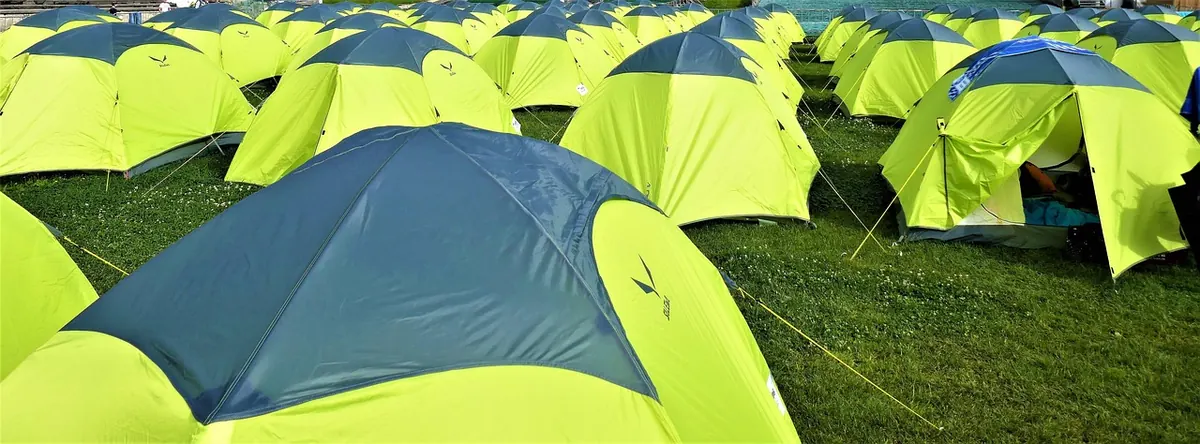
- Sleeping kit. Sleeping bag, roll mat or air bed, groundsheet, and a tent with a porch so your muddy boots stay outside the sleeping area.
- Spares and repairs. Mallet, spare pegs, gaffer tape, bin bags, dry bags for your phone and clean clothes.
- Small comforts. Earplugs, eye mask, headtorch, refillable water bottle, wet wipes, and a roll of toilet paper in a ziplock bag.
Power, phones and finding your friends again
Networks get congested at big sites. Texts often get through when calls will not, so agree a meeting point and a time before you go in, ideally at a fixed landmark rather than "by the sound desk".
Bring a power bank with enough capacity for two full phone charges, plus the right cable and a plug for the charging tent. Put your phone in low power mode or airplane mode when you are not using it. Download the site map, your tickets and an offline map of the area in advance, and screenshot anything important. Lockers and charging lockers are worth the small fee at larger festivals, and they double as somewhere to leave a passport or a car key.
Money, food and the campsite basics
Take a mix of card and cash, kept in a ziplock bag. Card payments are near-universal now, but tills drop out when the signal does, and cash is quick when a queue is twenty deep. Small notes are easier to spend than fifties.
Food on site is part of the fun, but keep a few snacks, a refillable bottle and something for breakfast in your tent. Most sites have free water points, so fill up often rather than buying bottles. Do not leave anything valuable in your tent, even for an hour.
Looking after yourself
Festivals are physically harder than they look: long days on your feet, little sleep, and a lot of standing in the sun. Drink water alongside anything else, eat properly at least once a day, and use earplugs. Tinnitus is not a badge of honour.
Bring blister plasters, painkillers you know you can take, rehydration sachets and any prescription medicine in its original packaging with enough for the whole trip. Festival medical tents are free to use and staffed by professionals, so use them early rather than toughing it out. If you have a ongoing health condition, a quick word with your GP or pharmacist before you go is sensible, and they can advise on what to carry.
Finally, take a photo of your group on the first afternoon. It sounds daft until someone loses a phone and nobody can remember what anyone was wearing.
The night-before routine
- Charge every device, including the power bank.
- Check your travel on the operator's site one last time and screenshot the plan.
- Pack waterproofs and spare socks at the top of the bag, not the bottom.
- Fill a water bottle, print your ticket, and put cash in the ziplock.
- Text the group the meeting point and time.
- Sleep. The weekend is long, and you will be glad of every hour.
Photo: RoAll / Pixabay