The wait is nearly over. More than fifteen years after their last show together, Liam and Noel Gallagher are taking Oasis back out on the road, and the UK leg lands in the two cities that made them: Manchester and London. The tickets went quickly. The arguments about dynamic pricing went on for weeks. What matters now is the practical side — how you get to the site, what you are allowed to take in, and what the night itself will actually feel like.
If you have a ticket, this is the planning bit, and it is worth doing properly. If you don't, keep reading anyway: the shape of the tour tells you a lot about how these shows run, and returns do surface through official channels as the dates get closer.
The dates, in short
The reunion run takes in Cardiff, Manchester, London, Edinburgh and Dublin, with the Manchester shows at Heaton Park and the London shows at Wembley Stadium. Manchester sits in mid-July; London runs across late July and into early August, with a gap between the two Wembley blocks. Exact dates, door times and any further announcements will appear on the official Oasis channels first. Treat anything else as speculation until it does.
Richard Ashcroft and Cast are on the bill for the UK and Ireland dates, so plan for a long evening rather than a straight in-and-out. Support acts at this scale usually start in the late afternoon, with the headliners on after dark.
Manchester: Heaton Park is a different beast
Heaton Park can hold tens of thousands, but it is a park, not a stadium. There is no roof, no proper concourse and no shelter worth the name. A July afternoon in Manchester can be warm and bright or wet and breezy, and the ground stays soft for days after rain. Bring a light waterproof that folds into a pocket, wear shoes you are happy to ruin, and leave the umbrella at home — event sites rarely allow them.
Getting there
Metrolink serves the park from the city centre, and it will be busy in both directions. Expect queues for trams after the final song, and expect the walk from the stop to the gates to take longer than the map suggests. Shuttle buses typically run from central pick-up points, and walking is a genuine option if you are fit and not in a rush. Driving is the worst of the available choices: parking around the park is heavily restricted, with resident-only zones enforced on event days.
Once you are inside
Distances between the gates, the bars and the stage are long. Mobile signal will collapse as soon as the crowd fills up, so agree a meeting point and a time with your group before you arrive rather than relying on messages afterwards. Pick somewhere specific — a particular bar, a particular sign — and stick to it.
London: Wembley, and the journey home
Wembley is the easier of the two to manage. Jubilee and Metropolitan line trains run to Wembley Park, Chiltern services run to Wembley Stadium, and the Bakerloo and Overground stop at Wembley Central. The hard part is the exit: a full stadium empties at once, and the queues at Wembley Park can be long.
Two tactics work. Either leave a couple of songs before the end and walk briskly, or stay put for twenty minutes, let the crowd thin, and accept a later train. Walking to Wembley Central takes roughly twenty minutes and often beats standing still at Wembley Park. If you are heading back into central London, the Chiltern line to Marylebone is worth checking too.
Stadium rules apply on top of that: limits on bag size, no glass, no large umbrellas, and a security search at the gate. Read the venue's own guidance before the day rather than learning it in a queue.
Setlist rumours: what is actually confirmed
Nothing. The band have not published a setlist, and no one outside the camp knows what will be played at the first show. What fans are working from is history: two albums that defined the era, a handful of singles from the years after, and the knowledge that a reunion set usually leans on the songs everyone can sing. Reasonable expectations include:
- A heavy opening stretch from Definitely Maybe, the record that started it all.
- The (What's the Story) Morning Glory? songs that will get the loudest response of the night.
- A mid-set dip into slower album tracks, which is usually when people head for the bars.
- One or two later singles to stop the show feeling like a heritage night.
- A closing run built for mass singing, followed by the walk back to the tram or the tube.
Anything described online as a "confirmed" or "leaked" setlist should be ignored until the opening night. Whatever is played there will tell you most of what you need to know if you are going to a later date.
Tickets, entry and the small print
- Buy through official sellers only. If a resale price looks too good to be true, it usually is, and some venues will refuse entry on a ticket that cannot be verified.
- Check your ticket type. Many are app-based, which means a charged phone and a downloaded ticket before you leave the house.
- Take photo ID. Lead booker names and age checks are common at big events, and under-16s usually need an adult.
- Contactless only. Most large sites are cashless, so a card or phone wallet is essential.
- Accessibility. If you need step-free access, a companion ticket or a quieter viewing area, contact the venue well in advance. These are allocated, not improvised on the night.
- Hearing. Earplugs are cheap, and a stadium or open field is genuinely loud. This is a sensible precaution rather than a sign of age.
If money is tight, set a spend limit before you go. Bar prices at events like this are not modest, and contactless makes it easy to lose track.
What the night will feel like
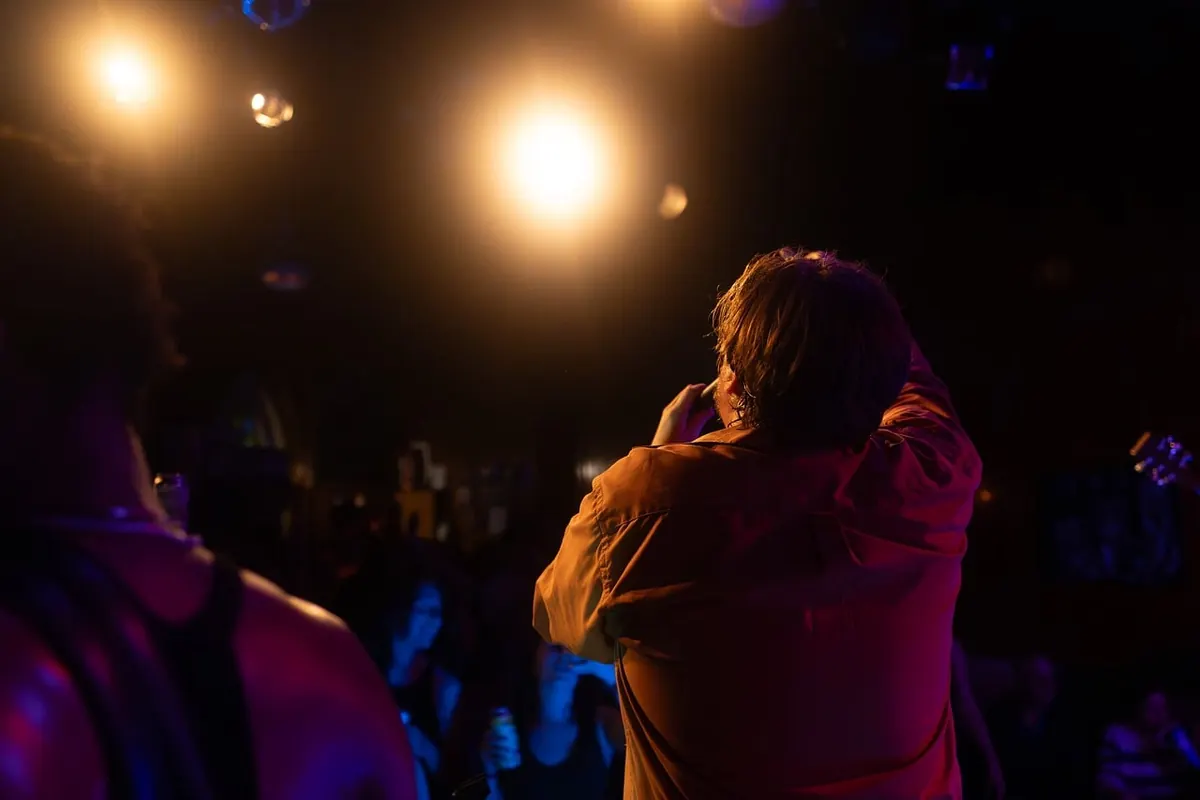
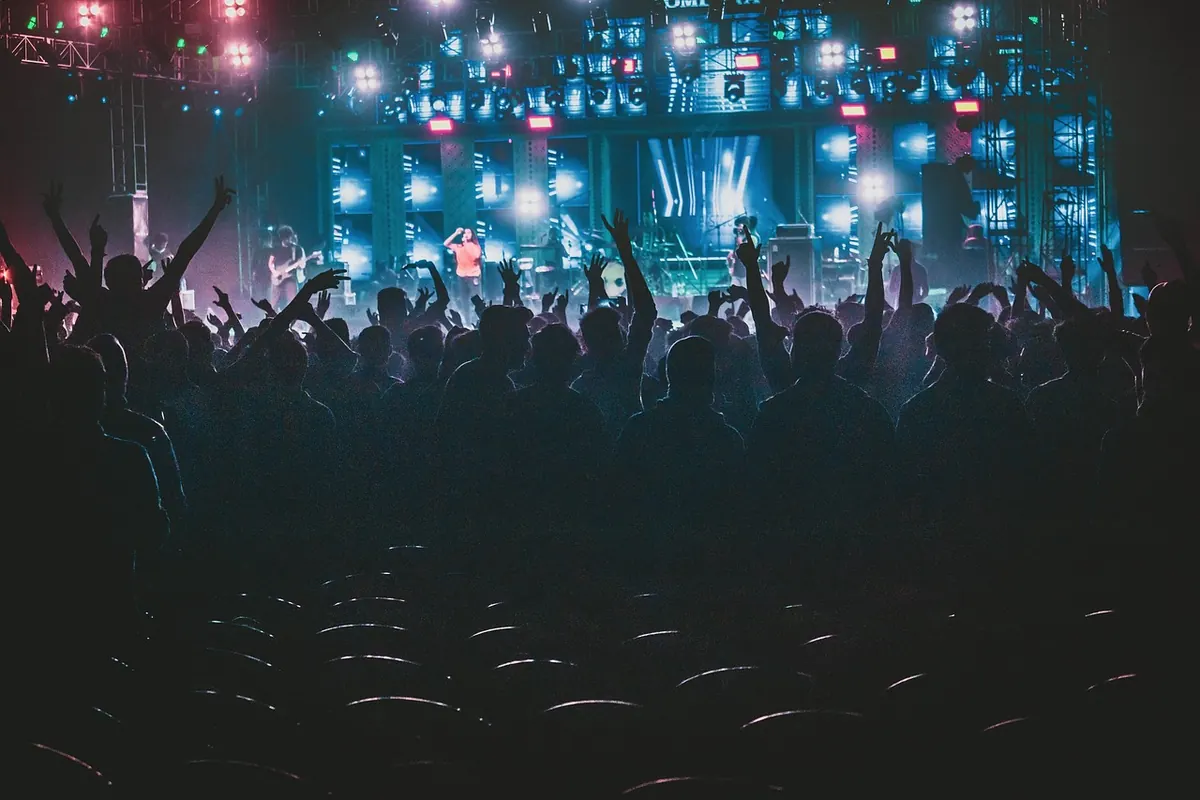
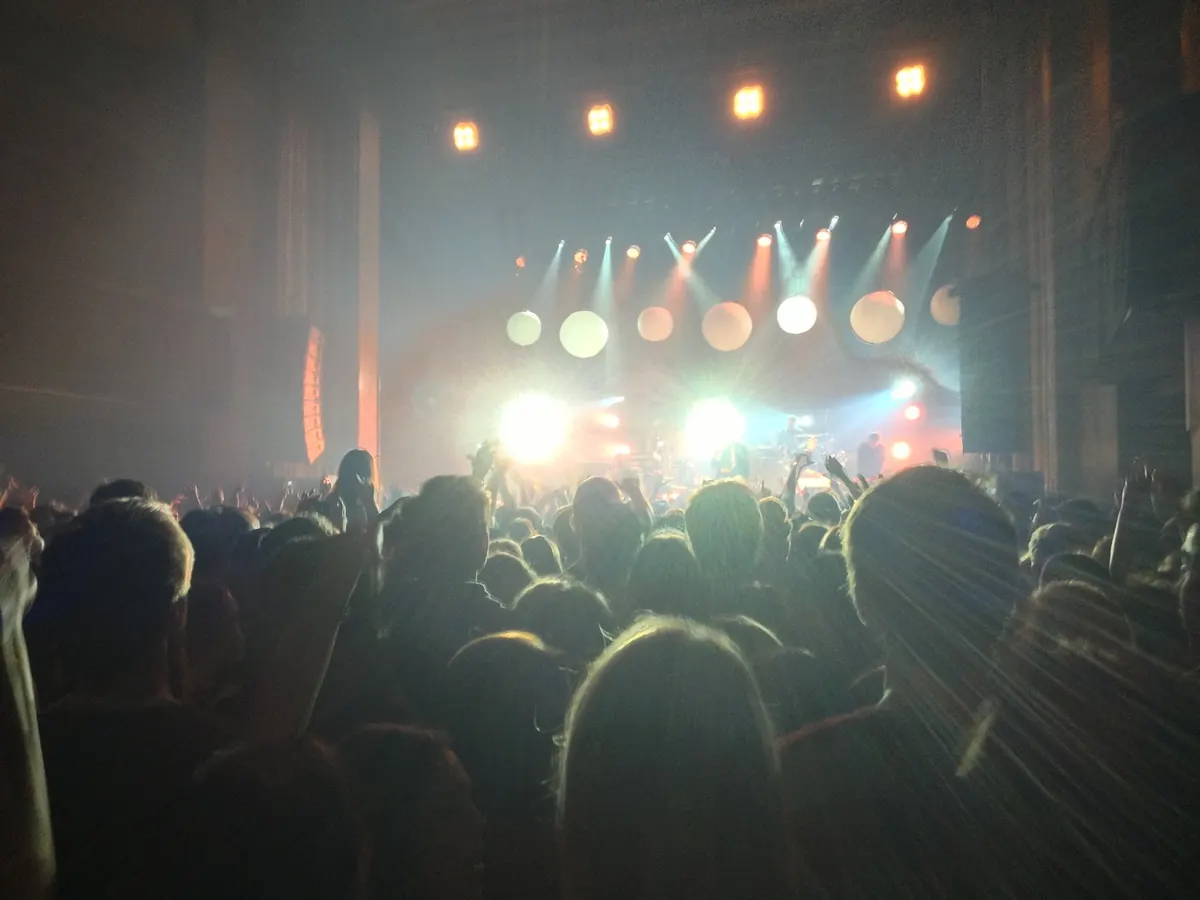
Expect a mixed crowd: people who saw the band at Maine Road, people who were not born when they split, and a lot of parents with grown-up children. Expect the singing to be load-bearing, particularly on the choruses, and expect the sound at Heaton Park to drift slightly on the wind in a way it never does indoors. Bring layers, look after the people around you, and keep an eye on your group if the crowd surges near the front.
Before you travel: a quick checklist
- Tickets downloaded, phone charged, power bank packed.
- Route to the venue and, more importantly, the route home plotted.
- Weather checked the morning of the show — this decides your shoes.
- A meeting point agreed with everyone in your group.
- Bag size checked against the venue's rules.
- A time you are willing to leave, decided before the encore rather than during it.
Do those six things and the night takes care of itself. The songs will be the easy part.
Photo: StockSnap / Pixabay