Every poker table has one. The guy who insists he can spot a bluff by the way you breathe. Meanwhile, three rows over, someone is pumping a slot machine because it "feels hot" after thirty dead spins. Both players believe they're reading the game. Both are, in different ways, wrong. The gap between how gambling feels and how it actually works is where most players lose money — and where the small percentage who understand the math quietly pull ahead.
This isn't a sermon about quitting. It's a look at the mechanics underneath the lights: what's real, what's noise, and what you can actually use whether you're spinning reels, grinding a cash game, or sweating a Sunday accumulator.
The House Edge Isn't a Scam — It's the Business Model
Every game on a casino floor or a betting app carries a mathematical advantage for the operator. That's not a bug. It's the entire reason the building exists. What matters is the size of that edge, because it varies wildly between games.
- Blackjack (basic strategy): roughly 0.5% house edge — one of the best bets in the building.
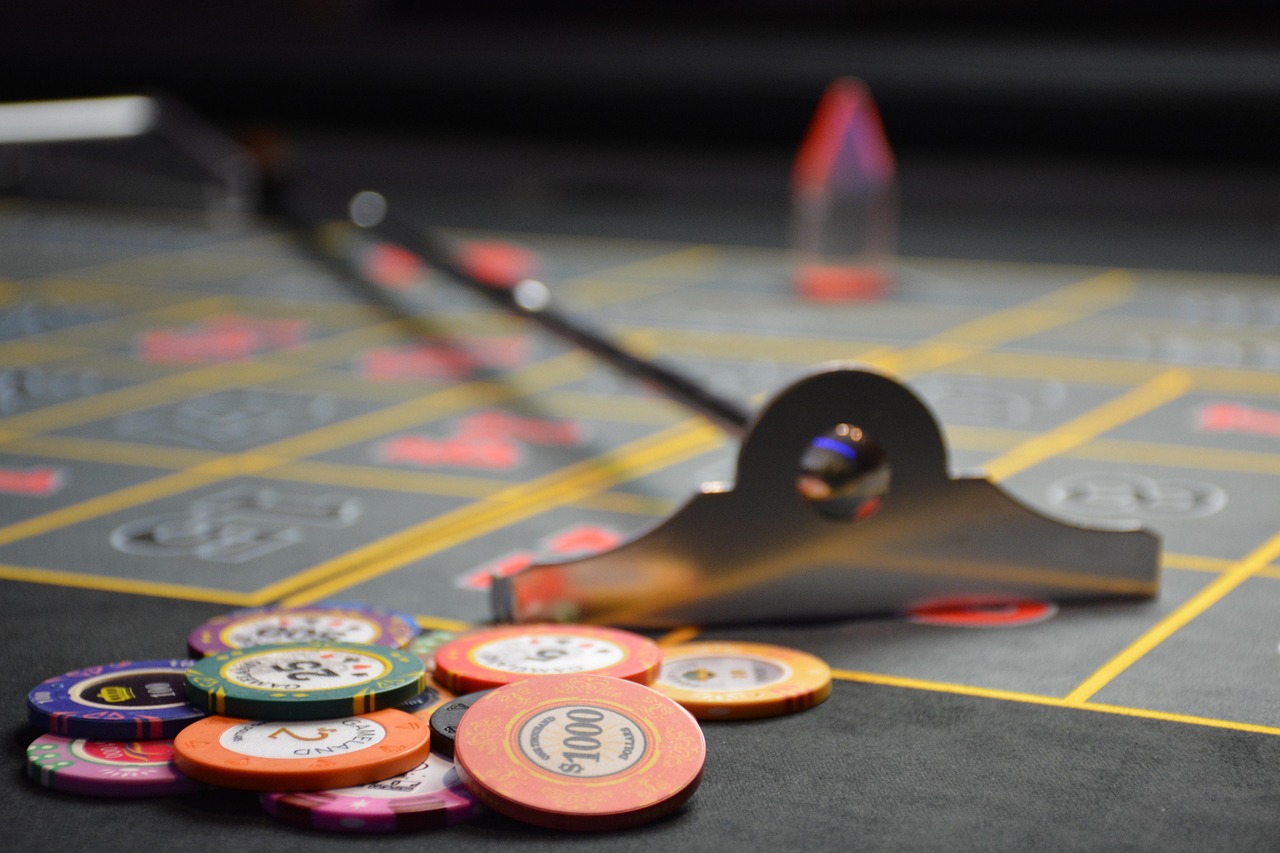
- European roulette: 2.7% thanks to the single zero. The American version with two zeros jumps to 5.26%. Same game, double the bleed.
- Slot machines: typically 2% to 10% depending on jurisdiction and volatility, with penny slots often sitting at the ugly end.
- Sportsbook parlays: each leg carries its own vig, and they compound. A five-leg parlay can hand the book an edge north of 20%.
So when someone tells you they "beat the slots" last weekend, they did. Short-term variance makes winners of us all eventually. The edge only asserts itself over thousands of spins. A 96% RTP slot returns $96 for every $100 wagered on average, but any single session might return $0 or $500. That's not the machine being cruel or generous. That's just the distribution doing its thing.
Reading Opponents vs. Reading Yourself
Poker is the one game in the iGaming ecosystem where skill can genuinely flip the math. But most players study the wrong thing. They watch for trembling hands and shifty eyes — the stuff of movies — when the real information lives in betting patterns and timing.
A player who checks the flop, calls a bet on the turn, then fires big on the river is telling a story. The question isn't whether their hand is shaking. It's whether that story makes sense given the board. Physical tells exist, but they're unreliable, easy to fake, and largely useless online — which is where the vast majority of poker is played now. This is explained well on slot deposit 5000.
What actually moves the needle:
- Position. Acting last gives you information everyone else has to pay for. Play more hands from the button, fewer from early position.
- Pot odds. If you're drawing to a flush and the pot is offering 4-to-1 while your card hits roughly 1 in 5 times, the call is profitable long-term. Do that math every time.
- Bankroll discipline. Never sit with more than 5% of your poker bankroll in a single cash game. Variance is brutal and downswings are normal.
- Opponent ranges, not specific hands. Stop asking "what does he have?" Ask "what's the full spread of hands he'd play this way?"
That last point is the leap most recreational players never make. It's also the one that separates break-even grinders from profitable ones.
Slot Myths That Refuse to Die
Slot players are the most loyal and the most superstitious crowd in gambling. Walk through any casino and you'll hear the same folklore recycled for decades. Let's put a few to bed.
"The machine is due." No. Modern slots use random number generators that re-roll every outcome in milliseconds. A machine that's paid out nothing for two hours is exactly as likely to hit on the next spin as one that just paid a jackpot. There is no memory. There is no debt.
"Someone else's loss is my gain." Also no. Each spin is independent. Multiplayer progressives are the exception — in those, contributions from all players do feed a shared pool — but the base game outcomes remain random per spin, per player.
"Higher bets mean better odds." Usually false. Bet size affects payout magnitude, not hit frequency. Some machines do expose a slightly better RTP at max bet, so check the paytable — but that's the exception, not the rule.
What is real and worth your attention is volatility. High-volatility slots like the classic big jackpot games pay rarely but massively. Low-volatility slots pay small and often. Match the game to your bankroll and your patience, not to your mood.
Sports Betting: Where Emotion Bleeds Money
Sports betting is where casual fans become convinced they have an edge because they watch a lot of football. Watching is not the same as pricing. Bookmakers employ quants who've modeled every variable you can name and several you can't.
The reliable leaks in most bettors' games are psychological, not analytical:
- Betting on your favorite team, which skews your judgment on fair value.
- Chasing losses with bigger, worse-priced bets late in the night.
- Parlaying when you could have bet singles — you're trading a higher payout for a much worse probability.
- Ignoring line movement. If a line moves sharply, something happened. The market knows before you do.
The bettors who win consistently treat it like a market: they shop multiple books for the best price, they track closing lines versus the line they took, and they accept that a winning month might mean hitting 54% of bets — a razor-thin margin that requires discipline and patience.
The One Thing Every Game Shares
Slots, poker, sportsbooks, live dealer tables — strip away the aesthetics and you're left with probability and discipline. Skill shifts the edge in poker and, to a lesser degree, in sports betting. It does absolutely nothing in pure-chance games. Knowing which category you're playing matters more than knowing the rules.
Casino design is engineered to keep you playing: the noise, the free drinks, the near-misses, the loss disguised as almost-win. None of that changes a single mathematical fact. The player who sets a loss limit before sitting down and walks away when it's hit — boring, unglamorous, completely unremarkable — is the one who shows up next month with a bankroll intact.
There's no secret pattern, no hot machine, no foolproof read on a bluffer. There's the math, the variance, and the stories you tell yourself over the top. Know which one is which, and the whole thing gets a lot sharper. The best iGaming players aren't the ones who win every night. They're the ones still around a year later.